

Days after crude oil prices recorded one of the most significant drops in recent times, filling stations across Nigeria are yet to reduce their retail pump prices for petrol to reflect the development, even as the Nigerian Midstream and Downstream Petroleum Regulatory Authority (NMDPRA) has remained silent on the matter.

Since the beginning of the week, crude oil prices have dropped by about 40 percent, hovering within the range of $72.83 and $88.93 per barrel.
The decline followed reports of a ceasefire agreement between the United States and Iran, ending the prolonged Middle East conflict that disrupted trade and commerce — including the movement of petroleum products — through the Strait of Hormuz corridor.
The outbreak of that conflict had triggered a spike in the retail price of premium motor spirit (PMS), popularly known as petrol, pushing pump prices to between N1,330 and N1,400 per litre across the country.
With crude oil now significantly cheaper, consumers had expected filling stations to pass on the gains through reduced pump prices. That expectation has, however, remained unfulfilled, as marketers have shown no willingness to adjust their metres downward.
More troubling to consumers is the silence of the NMDPRA — the regulatory agency charged with monitoring and enforcing compliance by operators with market developments under the country’s deregulation policy.
A motorist who spoke with our correspondent while buying petrol at a filling station in Abuja yesterday captured the frustration of many Nigerians.
“If crude oil prices were to have necessitated an increase in the retail pump price, filling stations would have adjusted their pump prices immediately,” he said.
“If the regulatory agency always allows marketers to adjust their pump prices immediately when there is an increment, without waiting till they exhaust their previous stock, what stops them from asking them to do the same when the price is dropping? It is clear the NMDPRA is working for the interest of marketers only and not the consumers.”
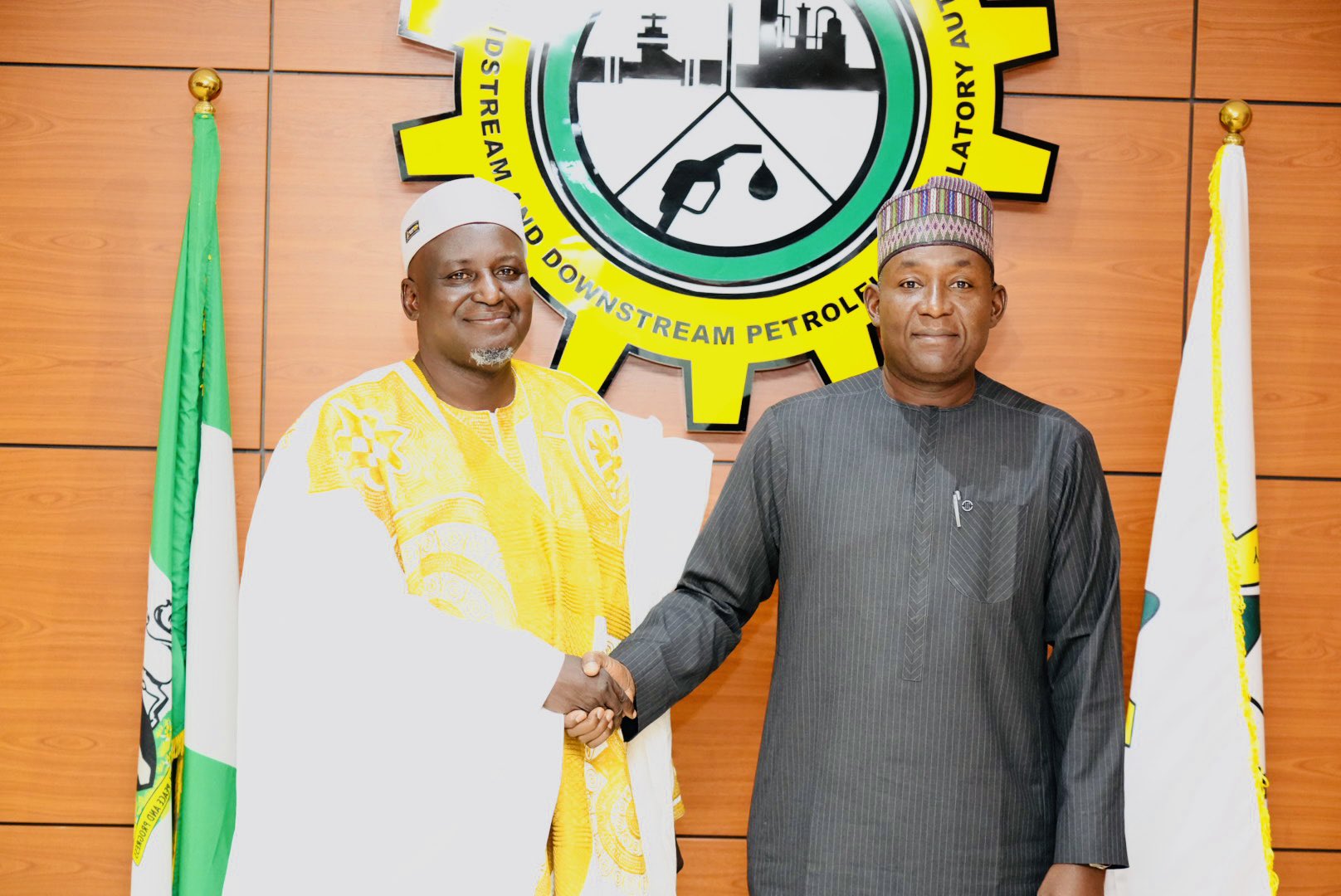
Meanwhile, while meeting with the leadership of the Independent Petroleum Marketers Association of Nigeria (IPMAN) as part of ongoing stakeholder engagements in the downstream petroleum sector, the Authority Chief Executive (ACE), Mallam Rabiu Umar, acknowledged that recent developments in the global energy market have continued to impact domestic petroleum product pricing.
Umar, who said the Authority was working with industry stakeholders to promote stability and business harmony across the sector, neither spoke about the impact of the situation in the international crude oil market nor any directive to marketers to reduce pump prices in compliance with the prevailing situation affecting crude oil price.
On consumer protection, the ACE stressed that it remains a top priority for the Authority, warning against under-dispensing of petroleum products and other unwholesome practices that shortchange consumers.
Describing IPMAN as a critical stakeholder in the petroleum value chain, Umar said its members play a vital role in ensuring product availability across the country, particularly at the retail level.
He urged marketers to embrace opportunities in the energy transition process, including the conversion of underutilised retail outlets into Compressed Natural Gas (CNG) dispensing facilities and electric vehicle charging stations.
IPMAN President, Alhaji Abubakar Maigandi Shettima, used the occasion to raise concerns over the burden that frequent product price changes impose on independent marketers.
He also highlighted the issue of outstanding claims since the fuel subsidy era, administrative charges, and difficulties with direct product access from domestic refineries, while pledging the association’s continued commitment to compliance and CNG adoption.
The Executive Director, Distribution Systems, Storage and Retailing Infrastructure (DSSRI), Ogbugo Ukoha, described under-dispensing of petroleum products as a major concern that undermines consumer confidence, warning that the Authority was considering stronger enforcement measures, including sanctions against serial offenders.
He, however, assured stakeholders that the Authority would continue to engage operators and encourage compliance before resorting to stricter regulatory actions.

