
By Bassey Udo

Nigeria has intensified its bid to host the African Union’s African Monetary Institute (AMI), with the Finance Ministry leading coordinated efforts to secure accommodation for the institution ahead of its planned commencement of operation later this year.
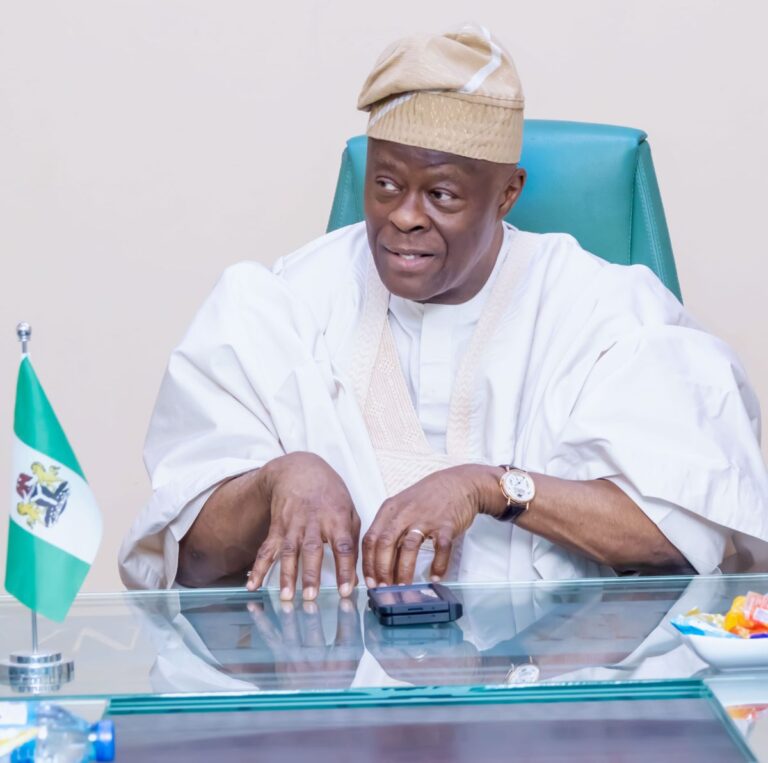
The renewed push was articulated by the Minister of Finance and Coordinating Minister of the Economy, Wale Edun, on the sidelines of the IMF/World Bank Spring Meetings in Washington D.C., where Nigeria is advancing its case as a credible host for the continental institution considered central to Africa’s monetary integration agenda.
Speaking through the Permanent Secretary of the Ministry, Mr. Raymond Omachi, Edun underscored the country’s full political and institutional backing for the initiative.
He stated that Nigeria has moved beyond policy commitments to concrete delivery, with the necessary infrastructure and administrative arrangements already in place.
The Ministry emphasised that hosting the AMI aligns with Nigeria’s broader economic strategy of positioning Abuja as a hub for continental financial coordination.
It noted that the institute represents a critical step toward deeper monetary cooperation, improved macroeconomic convergence, and a more integrated African financial system.
Earlier, the Governor of the Central Bank of Nigeria, Olayemi Cardoso, through his representative, the Deputy Governor, Economic Policy, Mr. Muhammad Abdullahi, reaffirmed Nigeria’s readiness to support the quest to host the institute.
He indicated that a dedicated office facility has already been secured in Abuja and made available for inspection, reflecting the country’s preparedness to meet host country obligations.
The Minister said Nigeria remains actively engaged with the African Union and was prepared to conclude all required agreements to ensure a seamless take-off of the institute within the stipulated timeline.
The African Monetary Institute, approved in February, is designed to strengthen policy coordination, stabilise exchange rate frameworks, and lay the groundwork for eventual monetary unification across the continent.
Senior continental stakeholders at the meetings reinforced the significance of the initiative.
The African Union Commissioner for Economic Development, Trade, Tourism, Industry and Minerals, Francisca Tatchouop Belobe, described the institute as a pivotal step toward a single African currency and deeper economic integration.
Similarly, Chief Economist and Vice President of the African Development Bank, Kevin Urama, noted that the institute would strengthen financial stability, improve debt sustainability, and address structural constraints posed by multiple currencies across the continent.
Nigeria’s engagement at the Spring Meetings reflected a deliberate effort to translate continental commitments into operational outcomes, with the Federal Ministry of Finance driving alignment across policy, infrastructure, and diplomatic channels.

