

By Bassey Udo

Worried about the negative consequences of the growing spate of fake news and misinformation in recent times, the Centre for Crisis Communication (CCC) has warned that the trend poses a significant risk to the country in the run up to the 2027 general elections.
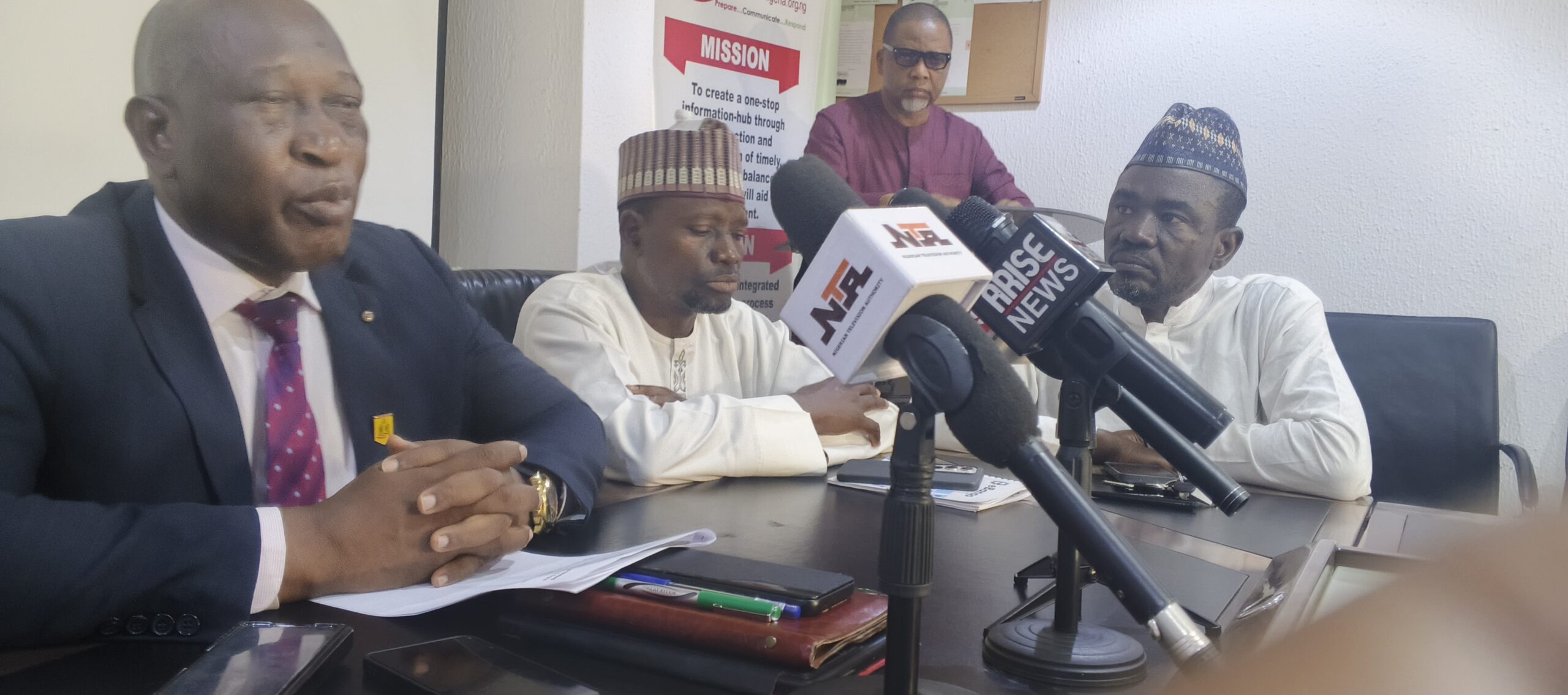
The Centre said during a press briefing in Abuja on Friday that if nothing urgent was being done by the government to curtail the growing trend, it was capable of heightening political tension and worsening the deplorable state of insecurity in Nigeria’s information space.
The organisation’s concern followed the release its latest media‑analysis report on the impact of fake news and misinformation in the society amid growing insecurity in the country.
As part of its efforts to help find a solution to the problem, the Chairman of the Centre, Major General Chris Olukolade (Rtd) announced plans to establish a National Crisis Communication Hub (CCHub) to strengthen coordinated information management during emergencies and crises.
Addressing journalists at the Centre, Olukolade said the findings from the organisation’s latest media‑monitoring report showed a worrying rise in insecurity‑related narratives that have heightened political tension, while the rapid spread of false information across digital platforms was complicating the sense of insecurity among the people.
Olukolade explained that the study was conducted using PRrev, an AI‑driven media monitoring and social‑listening tool developed by Image Merchants Promotion Limited (IMPR) to track conversations across X (formerly Twitter), Facebook, WhatsApp groups, online news platforms, and diaspora‑based fora.
He said the analysis of the findings revealed that many Nigerians were increasingly living in fear over the pervading insecurity, frustration as a result of the political leadership to find solutions to the challenge as well as mixed levels of support for government inaction.
These sentiments, he said, were being amplified by both factual reports and deliberate misinformation circulating online about a series of developments in different parts of the country.
The report identified several troubling trends, including the rapid spread of fake news, the growing sophistication of forged documents, and the rise of politically-motivated disinformation deliberately circulated ahead of the 2027 general elections.
Also, the Chairman noted that private messaging platforms, such as WhatsApp,Twitter and Instagram, have become major channels deployed by the perpetrators of misinformation, making detection and response more difficult.
Olukolade said communication gaps during crises—particularly delayed or unclear official statements to clarify situations—often created opportunities for rumours and speculations to dominate public discourse.
If left unaddressed, he warned that these trends could weaken public trust, undermine the peaceful coexistence of the people and significantly threaten national stability.
As part of its response, the CCC announced plans to establish a Crisis Communication Hub (CCHub), which would serve as an independent, multi‑stakeholder coordination platform for managing information during emergencies and crises.
The hub, he said, would focus on detecting trails of misinformation and counter fake news in real time, support communication efforts at federal, state, and local government levels, and strengthen public trust in official responses to crisis and emergency situations.
He emphasised that the CCHub would not function as a censorship body, but as a collaborative centre that would bring together government agencies, media organisations, civil society groups, and technology partners to ensure accurate monitoring of information trends to ensure the dissemination of timely information to the public.
The CCHub is expected to work with major stakeholders like the National Information Technology Development Agency (NITDA), the Federal Ministry of Information and National Orientation (FMINO), and the security agencies, including the Nigeria Police Force, Defence Headquarters, the Department of State Services (DSS), as well as other anti-crime and anti-graft agencies like the Economic and Financial Crimes Commission (EFCC).
Other collaborative agencies would include the National Emergency Management Agency (NEMA), the Nigerian Union of Journalists (NUJ), the Nigerian Guild of Editors (NGE), the Guild of Corporate Online Publishers (GOCOP), and civil society organisations.
To address the challenges highlighted in the report, the CCC recommended more timely and coordinated communication during crises and emergencies, stronger fact‑checking mechanisms, improved collaboration among government and non‑government actors, and increased public awareness to help citizens identify and resist fake news and misinformation.
With political activities intensifying ahead of the 2027 elections, Olukolade said Nigeria must strengthen its crisis‑communication systems to protect public trust and maintain national stability.
“The CCC remains committed to supporting efforts that promote accurate information, responsible communication, and national unity at all times,” he said.
He urged Nigerians, particularly those in the Diaspora, to avoid spreading unverified information about developments in the country, saying the study also confirmed that most of the fake news and misinformation about the country were from online channels traced to persons residing outside the country.

