
Operators in various sectors of the economy must give priority attention to more private sector investments to fast-track the achievement of the Sustainable Development Goals by 2030.

Participants in a panel session conversation on ‘rethinking strategies towards SDGs’ at the Nigeria Economic Summit in Abuja gave the advise on Tuesday.
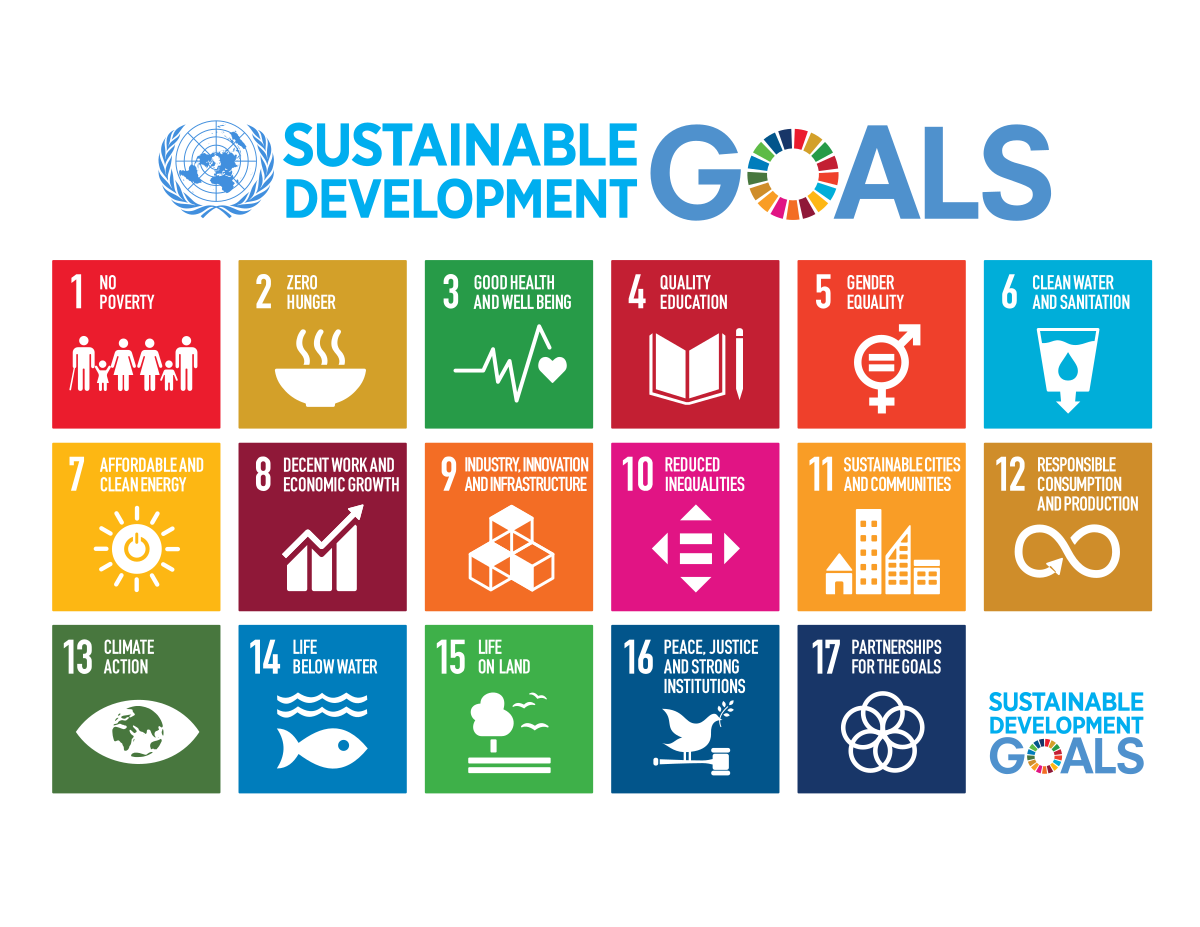
The Sustainable Development Goals (SDGs), also known as the Global Goals, were adopted by the United Nations in 2015 as a universal call to action to end poverty, protect the planet, and ensure that by 2030 all people enjoy peace and prosperity.
The 17 SDGs are integrated, as they recognize that action in one area has the capacity to affect outcomes in others, and therefore development must balance social, economic and environmental sustainability.
During the session on Tuesday, stakeholders said after years of adoption of the SDGs, only 15 percent of the goals have been achieved.
Senior special assistant to the President on SDGs, Adejoke Orelope-Adefulire, noted that there was a need for all groups and individuals, including private sector bodies to increase their investment towards improving the livelihood of all Nigerians.
She explained that private sector investments have become crucial to achieving SDGs, as the government focuses on implementing the Integrated National Financing Frameworks (INFFs).
“We need the support of the private sector in terms of resource mobilisation, and expertise needed to achieve the SDGs. We need to work together to accelerate the achievements. We need the private sector to create jobs for our young jobless people. It is critical for us to ensure that we create good jobs as this will address other goals.
“Creating good jobs will eradicate poverty, and if a man has a good job, he will eat well, and be able to take his children to school. So we want the private sector to create jobs,” she said.
She said that achieving SDGs required the involvement of both national and subnational governments.
This, she pointed out, would help the sub-national governments to understand its importance and take ownership of the process.
The government, she said, would collaborate more closely with the private sector to finance the SDGs, which require about $100 billion annually, while informing that the government would also begin implementing the Integrated National Financing Frameworks (INFFs).
“Currently, the seed financing for INFFs is being put in place, both the private and public sectors must work together to accelerate progress on SDGs. Nigeria has been challenged by the recession in 2019 and the COVID-19 pandemic in 2020. As a government, we have put in place framework and action plans, but it is sad to note that globally, we have only achieved 15 per cent of these goals.
“In Nigeria, we have done well by putting in an institutional framework to guide us both at the national and subnational levels. But most of the problems are at the subnational because we are supposed to address the issue using the bottom-up approach,” she added.
In her response, the managing director, of the Aliko Dangote Foundation, Zouera Youssoufou, said, Nigeria has not made enough progress in achieving the SDGs, which he said were majorly about human capital development and optimising economic growth.
She stressed the need for stakeholders to focus on achieving outcomes such as health and education as key drivers of attaining the other goals.
“The first 1000 days of life of a child is the critical time when the potential of the child is developed. So, if the mother is malnourished, it affects the child and we have a lot of these in Nigeria. So, the priority for me is health and education than others. When those two are sorted, then we have a chance to make progress. Starting with the basics is necessary, no matter how much you invest in education, if the children are not healthy they may not be impacted,” she said.
Speaking on the best approach to achieving the SDGs, she noted that there were different environmental factors in Nigeria, hence there was a need for a different approach in addressing these issues.
For example, she said “We have more people affected by malnutrition in the North than in the South. So we need to work with the communities to understand what affects them directly.”
A Development Coordination Officer and economist at the United Nations, Nonso Obikili, emphasized the critical role of data in achieving SDGs while highlighting the importance of subnational governments in the process, as they are where data gathering begins, which is then fed onto the national data.
He said that even though a lot of effort has gone into achieving these goals, there was a need for an accelerated effort to drive impactful gains.
“We need to look at initiatives that are cross-cutting, to address poverty and hunger. It is not just a government agenda but the private sector, civil societies need to support this move.”
He also noted inadequate financing as a major challenge affecting the attainment of SDGs in Nigeria.