
By Bassey Udo

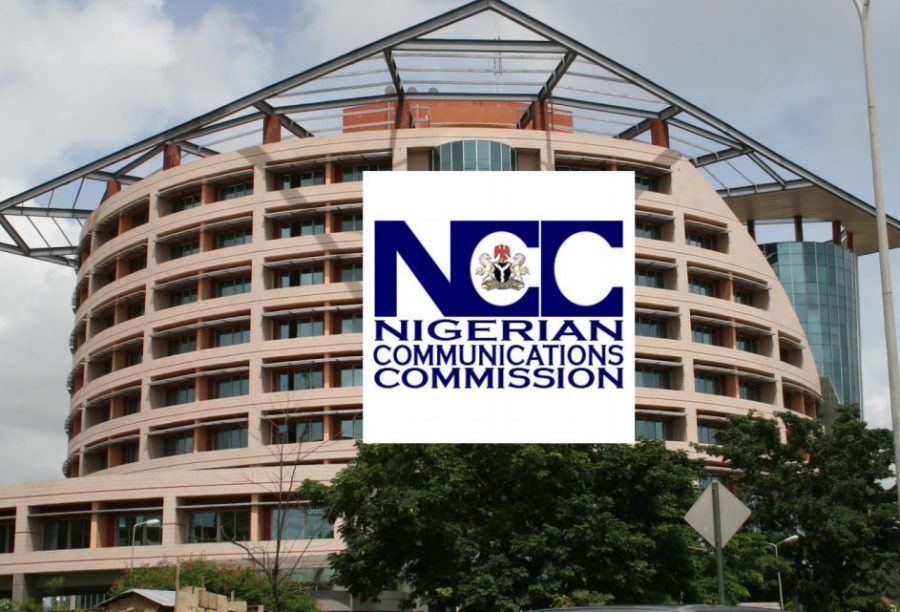
The Nigerian Communications Commission (NCC) on Tuesday unveiled the type approval compliance framework for SIM-enabled communications devices in the country.
The framework is to enable the communication industry regulatory authority to electronically verify whether phones, tablets, modems, point-of-sale (POS) terminals and similar devices meet approved technical standards before being connected to networks in Nigeria.
The Director, Technical Standards and Network Integrity at the NCC, Engr. Edoyemi Ogoh, who announced this at a news briefing in Abuja, said the exercise was part of efforts to realise NCC’s regulatory mandate for a secure, efficient and innovative telecommunications industry that is sustainably responsive to the needs of consumers.
Ogoh who described the initiative as an important evolution in NCC’s regulatory oversight role, noted that the communications sector has become a major pillar of the country’s socio-economic life, with millions relying on connected devices for business, financial transactions, education, healthcare and public services.
As a result, he said the integrity of the telecommunications industry depends not only on network infrastructure, but also on the quality, safety and compliance of the devices that access and are used on these networks.
He pointed out that the device type approval initiative was not merely a regulatory requirement, but a mechanism for protecting consumers, safeguarding network performance and preserving confidence in the country’s digital economy.
Ogoh said the initiative was pursuant to the provisions of Section 132(2) of the Nigerian Communications Act 2003, which require licensed service providers, facilities providers, equipment manufacturers and suppliers to obtain Type Approval before communications equipment is sold or used in the country.
The Act, he explained, requires that telecommunication devices used on the country’s networks must meet established technical standards that are compatible with network infrastructure, to protect users, raise service quality and strengthen trust in the ecosystem.
The enhanced device type and standards framework, he maintained, is to ensure effective monitoring of compliance obligations was more efficient, by allowing the Type Approval status of SIM-enabled devices to be verified electronically.
Also, he said it was to help identify non-compliant, cloned or counterfeit devices and prevent them from connecting to networks.
Following the issuance of the Device Type Approval Business Rules in August 2024, Mr Ogoh said the NCC held stakeholder engagements, market studies and consultations across the device value chain to create awareness on the need to ensure compliance with the regulatory standards and quality of devices brought into the country by original equipment manufacturers, importers, dealers, service providers, government agencies and industry associations.
He said the Commission, in collaboration with the Nigeria Customs Service, manufacturers, importers and market associations have continued to work together to ensure compliance with the regulation.
Since the device checker initiative began, Ogoh said about 231 million existing devices have been registered nationwide, pointing out that all that a user needs to do to confirm the status of their devices is to dial the short code *315# on their devices.
Although existing subscribers on the networks do not have to do anything, Ogoh advised that people buying new devices need to pay attention to their compliance status.
Besides, he said the Commission had equally ensured that devices already in stock were properly onboarded, while devices imported henceforth would need to be verified and authenticated before being connected to the system
Urging Nigerians to be active participants in the process, Ogoh emphasized the need for extra vigilance before paying for any phone, tablet, modem, POS terminal or other SIM-enabled device, by asking the seller whether such devices were NCC Type Approved.
“Consumers should not have to worry about whether a device is technically compliant, whether it poses avoidable security risks or whether it may negatively affect their experience on telecommunications networks,” Ogoh said, adding that the framework aims at ensuring compliance with “the norm rather than the exception.”
On businesses that want to comply with regulation, but face difficulties, Ogoh said support could be sought through the dialling of the short code *315#, or consult the frequently asked questions published on the Commission’s website.
The process, he said, was online to avoid manual procedures, adding that a business with standard documentation, such as a Corporate Affairs Commission (CAC) business name registration, can register on the portal and update and upload its existing stock.
On concerns about “collateral damage” and people being wrongly blocked, Ogoh said the system was configured to always determine a genuine device, adding that in the unlikely event of wrongful blocking, the affected subscriber could call *315# to have the matter resolved.
The NCC official said the framework was designed solely to support device identification and Type Approval compliance, to maintain device identification information, including IMEI numbers, for regulatory purposes.
On fears about the Commission having undue access to the content of users’ devices, Ogoh gave the reassurance that the initiative does not enable monitoring of personal communications, including access to messages, photographs, contacts, financial information or other personal data stored on devices.
“It is not a surveillance tool,” Ogoh reiterated, adding that consumer privacy remains fully protected under applicable laws and regulatory requirements.
Ogoh said that with enhanced compliance now under way, the Commission would sustain and intensify sensitization and public awareness activities so that stakeholders understand the purpose of the initiative and their responsibilities.
He said achieving the Commission’s objectives requires collective action from government agencies, operators, manufacturers, dealers, market associations, consumer groups and the media, calling on journalists to provide accurate and balanced reporting, to ensure public understanding as fundamental to regulatory success.
“A strong telecommunications sector requires strong standards, and of course strong standards require effective compliance,” he said, adding that the NCC remains committed to working with all stakeholders toward an implementation founded on transparency, collaboration and the public interest, to build “a safer, stronger and more trusted communications environment for all Nigerians.”
