
By Bassey Udo

The upcoming Nigeria Oil Refining Summit accelerate Nigeria’s shift to refining self-sufficiency, the Crude Oil Refinery Owners Association of Nigeria (CORAN) has said.
The NORS 2026 is scheduled for September 28 and 29, 2026 at Eko Hotels & Suites with the theme: “Refining for Value: Linking Upstream Supply to Downstream Demand.”
CORAN made the formal announcement of the Summit, which is in its third edition, saying it would continue to solidify its position as Nigeria’s foremost platform for driving conversations and action around refining capacity expansion, downstream integration, and the country’s ambition to emerge as Africa’s leading energy hub.
“The future of Nigeria’s refining sector lies in collaboration, investment, and execution at scale,” CORAN Chairman, Momoh Jimah Oyarekhua, said.
“NORS 2026 will provide the platform to consolidate these gains, attract critical partnerships, and position Nigeria as a net exporter of refined petroleum products,” he said.
Oyarekhua said the gathering would host a powerful mix of policymakers, regulators, refinery operators, global commodity traders, investors, and technology providers with a focus on addressing one of the most pressing imperatives in Nigeria’s evolving energy landscape:achieving seamless coordination across the entire petroleum value chain, from crude production to refined product distribution.
“Nigeria stands at a pivotal moment in its refining journey. The emergence of large-scale infrastructure projects, such as the Dangote Refinery and Petrochemical Company Limited, alongside the rapid growth of modular and indigenous refineries, marks a decisive shift away from decades of dependence on imported petroleum products. This transformation signals a new era defined by self-sufficiency, increased domestic value retention, and the potential to compete in regional and global export markets,” the CORAN Chairman said.
Against this background, he said the summit would explore critical industry priorities shaping the future of the sector, including strategies to secure sustainable crude oil feedstock supply; optimize refining capacity utilization; strengthen midstream infrastructure and logistics networks, and unlock investment opportunities across the refining ecosystem.
Through a blend of high-level keynote addresses, policy dialogues, investment fora, and technical sessions, the organisers said participants would engage directly with leading institutions and other operators in the sector, such as the Nigerian National Petroleum Company (NNPC) Limited, and regulatory authorities, like the Nigerian Midstream Downstream Petroleum Regulatory Authority (NMDPRA) and its upstream industry counterpart, the Nigerian Upstream Petroleum Regulatory Commission (NUPRC), as well as major global trading firms.
The summit, they said, was structured to deliver both strategic insights and practical engagements, with the opening session focusing on policy direction, crude supply security, and global market dynamics, to set the stage for deeper discussions.
The second day would shift attention to financing mechanisms, infrastructure development, and export strategies necessary to sustain growth.
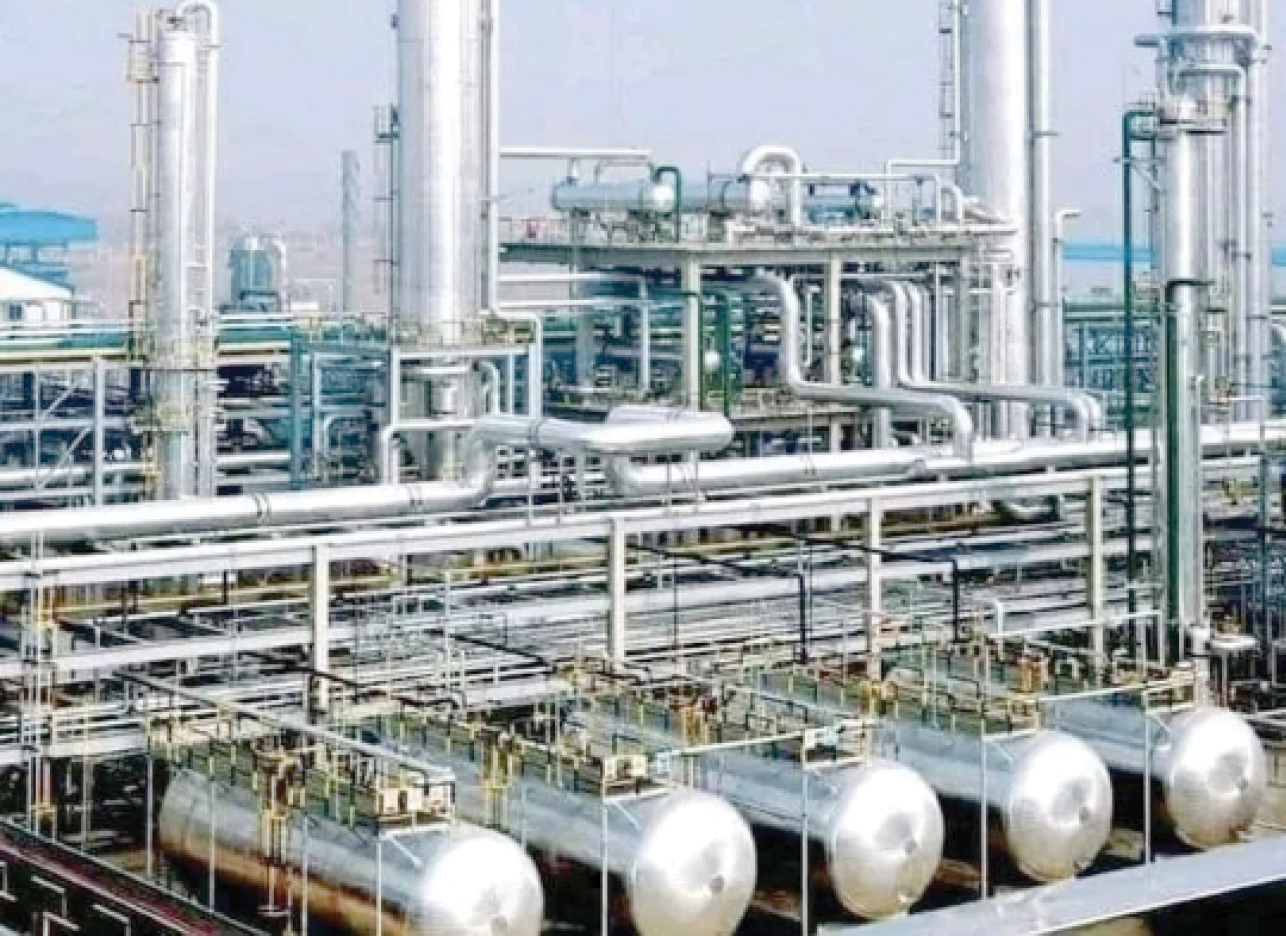
Attendees would also have the opportunity to participate in an exclusive guided refinery facility visit, providing firsthand exposure to operational excellence within Nigeria’s rapidly advancing refining sector.
“Our focus this year will be on outcomes. We want attendees to leave not just informed, but better positioned to act, partner, and invest within Nigeria’s rapidly evolving refining landscape,” Kunle Odusola-Stevenson, Chief Strategist, Legend and Legacy Group, the NORS 2026 event producers, said.
NORS 2026 represents more than just an industry event. It is a critical convening point for stakeholders committed to shaping the future of Nigeria’s energy landscape and driving long-term value creation across the downstream sector.
Organizations across the value chain have been invited to engage as sponsors, partners, speakers, and exhibitors, positioning themselves at the heart of Nigeria’s refining transformation and the broader evolution of Africa’s energy market.

