
By Bassey Udo

Africa must move decisively toward coordinated policy, shared infrastructure, and collective diplomacy to transform its vast natural resources into broad-based prosperity, the President, Nigerian Gas Association (NGA), Akachukwu Nwokedi, has said.
Nwokedi who is also the Regional Coordinator for Africa of the International Gas Union (IGU) declared that regional energy cooperation was no longer optional, but a strategic necessity in an increasingly volatile global energy order.
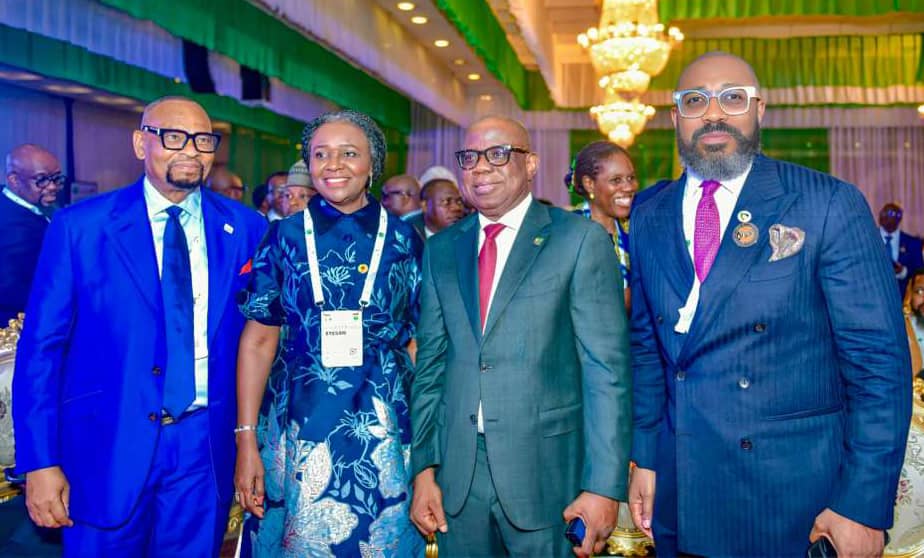
He stated this while delivering a goodwill address at the recently concluded Nigeria International Energy Summit (NIES) 2026 in Abuja.
“In a world where energy increasingly shapes geopolitics, fragmentation is a liability. Regional alignment gives Africa the scale, resilience, and credibility required to attract capital, manage volatility, and negotiate from a position of strength,” Nwokedi said.
Speaking to a high-level audience of top government officials, industry executives, investors, and diplomats during the session on “Regional Oil & Gas Cooperation,”
Nwokedi warned that without deliberate integration, Africa risks remaining fragmented and marginalized; resource-rich, yet energy-poor, with millions still lacking reliable and affordable access to power and the economic mobility it enables.
He argued that the continent’s abundant oil and gas reserves were gaining geopolitical significance, amid supply chain disruptions, shifting alliances, and the weaponization of energy in global diplomacy.
Nwokedi stressed that no single nation can effectively navigate market volatility, capital constraints, or external pressure in isolation.
Africa’s energy future, he pointed out, would not be secured through isolated national strategies, adding that only through integration; coordinated policy, shared infrastructure, and unified diplomacy can the continent convert resource abundance into economic power and energy access.
The key opportunities he outlined includes harmonized regulatory frameworks to unlock cross-border investments; interconnected infrastructure — oil and gas pipelines, LNG corridors, processing hubs and shared trading platforms; stronger regional institutions to de-risk projects and mobilization of international capital; natural gas as a catalyst for industrialization, universal electricity access and job creation.
Pointing to early progress, he commended transnational initiatives, such as the West African Gas Pipeline and highlighted Nigeria’s recently launched NNPC Gas Master Plan as evidence of an emerging shift toward value expansion and market-driven development.
These developments, he noted, demonstrate how collaboration and strategic alignment can convert resource potential into tangible economic outcomes.
He concluded with a direct call to action, urging stakeholders to act with urgency and intentionality so that Africa would emerge as a cohesive energy bloc positioned to shape global demand, drive innovation, and deliver sustainable energy solutions.
The address reinforced the summit’s role as a leading platform for defining the continent’s energy trajectory under the theme “Setting the Agenda: Energy Diplomacy, Policy & Partnership for Prosperity,” while signaling to investors, financiers, and policymakers that meaningful opportunities lie in engaging with the regional initiatives championed by the Nigerian Gas Association and its continental partners.

