
By Bassey Udo

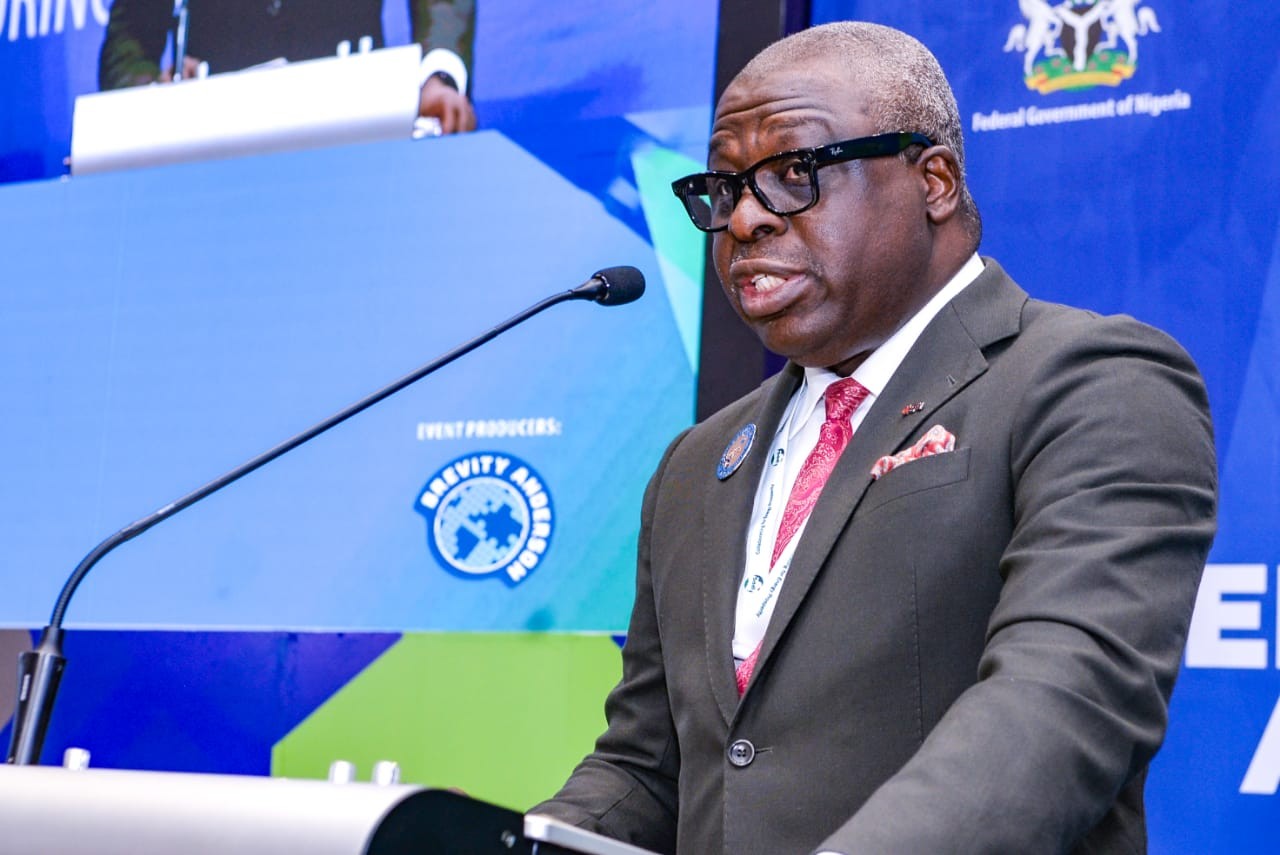
Nigeria requires bold and coordinated action to build a resilient and self-sustaining energy industry, the Chairman, Independent Petroleum Producers Group (IPPG), Adegbite Falade, has said.
IPPG represents a group of indigenous Nigerian exploration and production companies committed to advancing national energy development, encouraging investment, and promoting sustainable growth across the oil and gas value chain.
Speaking during the recently concluded 2026 Nigeria International Energy Summit (NIES), Mr. Falade said this would help build the sector capacity to deliver long-term national prosperity.
He emphasized the need for strategic reforms, stronger collaboration, and enhanced value creation within the domestic energy ecosystem in the country.
Addressing global and regional dignitaries, industry leaders, and policymakers who participated in the Summit, Mr. Falade welcomed The Gambian President, Adama Barrow, and acknowledged representatives of the international energy community, including the leadership from the Gas Exporting Countries Forum (GECF) and the African Petroleum Producers Organisation (APPO).
Also, he commended President Bola Ahmed Tinubu for sustaining and deepening industry reforms, citing early signs of improved confidence and performance across Nigeria’s oil and gas sector.
Highlighting the progress across the value chain, Mr. Falade said this included improved upstream output, expanding gas infrastructure, and rising domestic refining capacity.
Average liquids production, he said, increased to approximately 1.64 million barrels per day in 2025, with indigenous producers now accounting for more than half of national output, a milestone reflecting strengthened local ownership and supportive policy actions.
“Nigeria’s energy future must be defined by self-sufficiency, competitiveness, and collaboration. We must move beyond exporting raw hydrocarbons and build an ecosystem that creates in-country value, strengthens GDP contribution, and delivers lasting benefits for all Nigerians,” Falade said.
In the midstream segment, he said gas infrastructure projects advanced through targeted funding support, alongside continued work on key pipeline networks and near-completion of major LNG expansion efforts.
In addition, domestic refining capability, he noted, also strengthened as increased operational capacity from Nigeria’s newest large-scale refinery, Dangote Refinery and Petrochemical, began reducing reliance on imports.
Despite these gains, Mr. Falade cautioned that structural challenges remained, emphasizing the need for regulatory and fiscal stability, improved access to affordable long-term capital, stronger security in producing regions, and accelerated infrastructure investment through public-private partnerships.
He also called for streamlined administrative costs and competitive frameworks to address operating cost premiums affecting industry participants.
“The future of our sector lies in generating in-country value that fuels economic growth,” Falade said, adding that Nigeria must build an industry that is efficient, competitive, well-governed, and resilient, delivering real and lasting benefits to citizens.
Referencing the summit’s theme, “Energy for Peace and Prosperity: Securing Our Shared Future”, Falade underscored energy security as foundational to stability and development across Africa.
He urged stakeholders to commit to collaboration across operators, regulators, service providers, and investors to shape a sustainable energy trajectory.
Reaffirming IPPG’s alignment with national policy objectives, Mr. Falade pledged continued partnership with government and industry stakeholders to advance sector transformation.
He expressed confidence that dialogue and action emerging from the summit would accelerate progress toward a more secure and prosperous energy future.

