


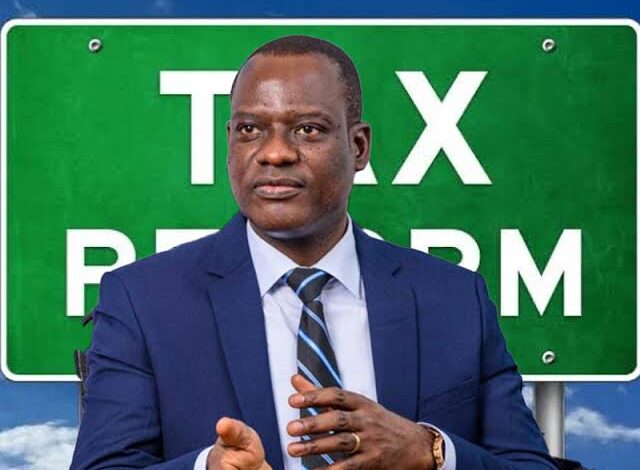
Lower corporate tax rates for companies and businesses, redressing regulatory coverage, and refining of existing tariff systems will stimulate investments and economic growth, the Chairman of the Presidential Tax Reform Committee, Taiwo Oyedele, has proposed.

Oyedele made the proposal while delivering a public lecture as part of activities to mark his 50th birthday celebration in Abuja on Wednesday.
Highlighting the need for an orderly tax system to avoid chaotic taxes that disproportionately impact the poor, Oyedele reiterated the benefits of the tax reform measures to include full income tax exemption for over a third of workers, higher exemption thresholds for small businesses, and zero-rating essential consumptions.
He emphasized the importance of credible data, inclusive policies, and the need to invest in people, stressing the need to refine the tariff system to reduce rates on raw materials and intermediate products to lower input costs.
“We have priority sector incentives, boosting exports and providing tax relief to prevent public transition for Nigerian businesses operating internationally.
Others include making changes to income class laws to attract remote work opportunities, and enabling Nigerian youths to thrive in the digital economy.
He urged the government to focus on doing only what the private sector would not do, and collect the least amount of tax in doing so without compromising the required minimum quality standard.
Also, he said the government should be intentional regarding non-inflationary spending priority and quality of spending.
The essence of the socio-economic contracts by the people, he noted, must seek first to understand, as ignorance compounds vulnerability and steals opportunities.
Besides, he said the government must think independently, ask questions, engage and, most importantly, criticize constructively with the sole aim of building not to tear apart our nation.
He stressed the need to make policies for a strong and stable Naira, such as allowing businesses to pay taxes in Naira, despite having a comparative trade balance.
Lamenting that the tax system in Nigeria has continued to suffer from archaic laws, complex administrative structure, low tax morale, and widespread evasion, he called for priority attention to be given to inclusion and national interest over sectional self-interest in policy-making.
He advocated for the utilisation of credible data for policy decisions, rather than relying solely on popular views or sentiments.
